
Odd Ember’s Judging Rubric
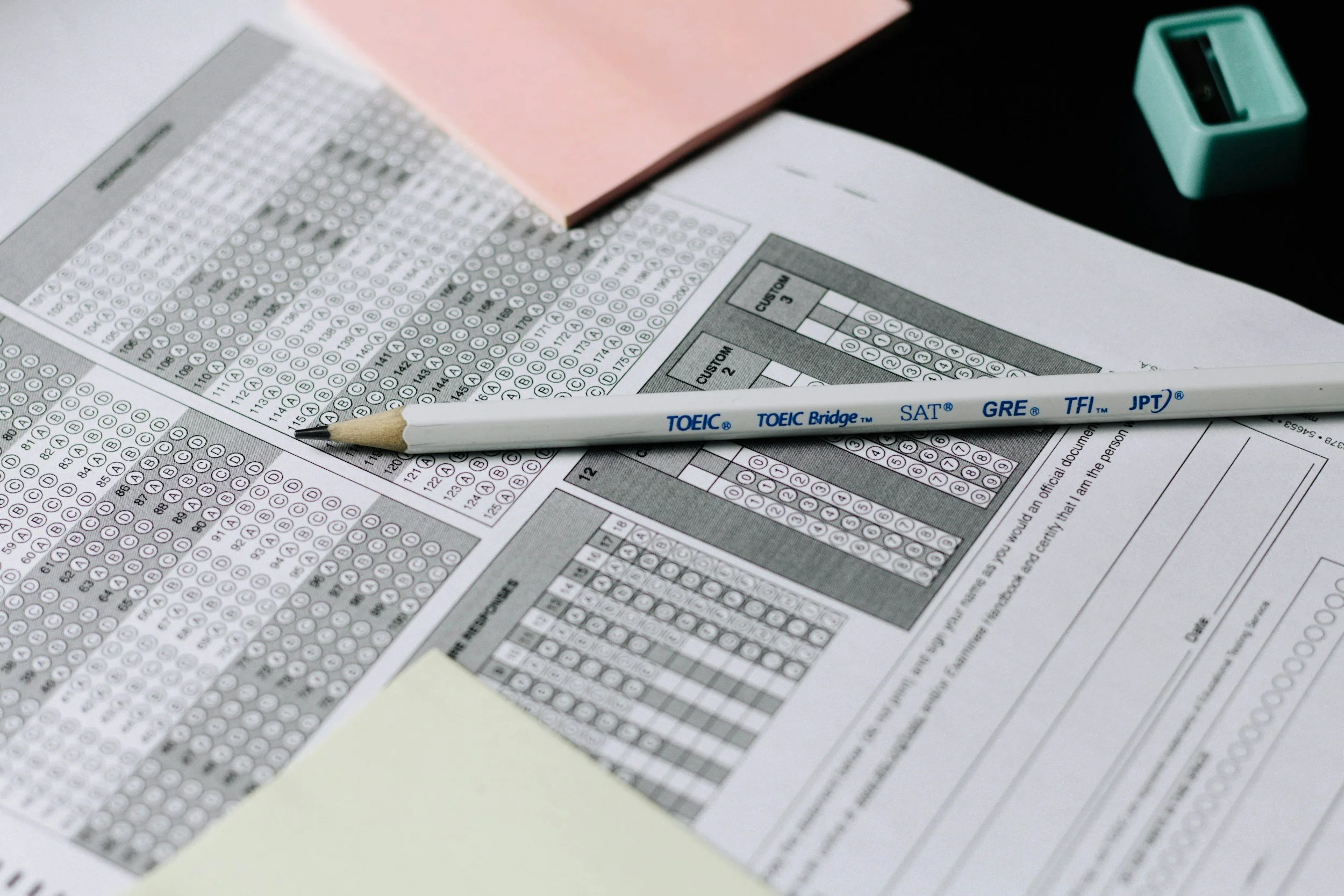
One frustration that often comes up with writing contests is a lack of transparency about how stories end up where they do in the ranking. We’re hoping to change that!
After each contest, you’ll receive a rubric with how your story scored, a justification for that score, and a short paragraph with what each judge thought worked well and what didn’t. (And, if you want even more feedback, you can opt for an enhanced entry, which comes with additional depth!)
So, what is the rubric and how does it work? Read on to find out.
What’s the rubric for?
The rubric is designed to try and make the first round of judging as fair as possible—we want stories to stand on their own merits, and being forced to assign a score and justify it helps even the playing field.
We use the rubric to identify our initial long list of stories (approximately the top 20% of each contest). From there, scores will still matter, but we’ll also be using more subjective criteria to decide on our winners.
Our Judging Rubric
Without further ado, let’s take a look at the rubric we’ll be using and how it’s scored.
Rubric Categories
There are six categories on our rubric, as shown below.
1. Craft & Clarity
How effectively is the prose doing its job? Is the story clear throughout?
Judges will be looking for:
Sentence-level control
Pacing appropriate to the piece
Clean grammar/mechanics
Narrative flow (transitions, readability)
Purposeful stylistic choices
2. Originality & Concept
Is the idea doing something fresh? Does the piece feel like it has a pulse of its own?
Judges will be looking for:
Novel premise or angle
Distinctive voice or aesthetic
Inventiveness in worldbuilding or stakes
A “why this piece?” spark
3. Impact
Does the story land? Does it linger? Are the judges still thinking about it when they go to bed?
Judges will be looking for:
Moments that matter
Evocation of feeling or thought
Memorable lines or images
A sense of meaningful completion
4. Structure & Cohesion
Does the story hold together? Does the story flow without sags or missed beats?
Judges will be looking for:
A beginning that hooks
A middle that develops
An ending that resolves or transforms
Internal logic (even dreamlike pieces have rules)
Proportionality (no bloated openings or rushed finales)
5. Use of Prompts
Are the assigned prompts fully integrated? Do they have an impact on the story itself?
Judges will be looking for:
Clear engagement with the prompt
Creative interpretation rather than literalism
Integration rather than bolt-on references
6. Voice & Style
Does the writing itself sing? Does it stand out from the pile just based on word choice and sentence structure?
Judges will be looking for:
Distinct voice
Stylistic confidence
Tone appropriate to the piece
Consistency in diction and rhythm
Scoring
All categories will receive a score of 1–7, with each number corresponding to the scale below:
Fundamentally ineffective
Weak, significant issues
Below average, uneven
Competent but unremarkable
Strong, above average
Very strong, notable excellence
Exceptional, contest-winning level
Wrapping up
We’re excited to see how this rubric works in our first contest—we may well make adjustments for future contests, but this will give us a strong starting place in objectively evaluating entries!